If you're searching for high velocity hvac installers near me Murrieta, CA, you're probably dealing with plaster walls, a finished addition, or a converted garage that can't fit standard ductwork. We've retrofitted these systems into exactly that kind of home across Murrieta's older neighborhoods, and the details below cover what the equipment actually is, how it compares to other options, and what installation really looks like.
What Is a High-Velocity HVAC System?
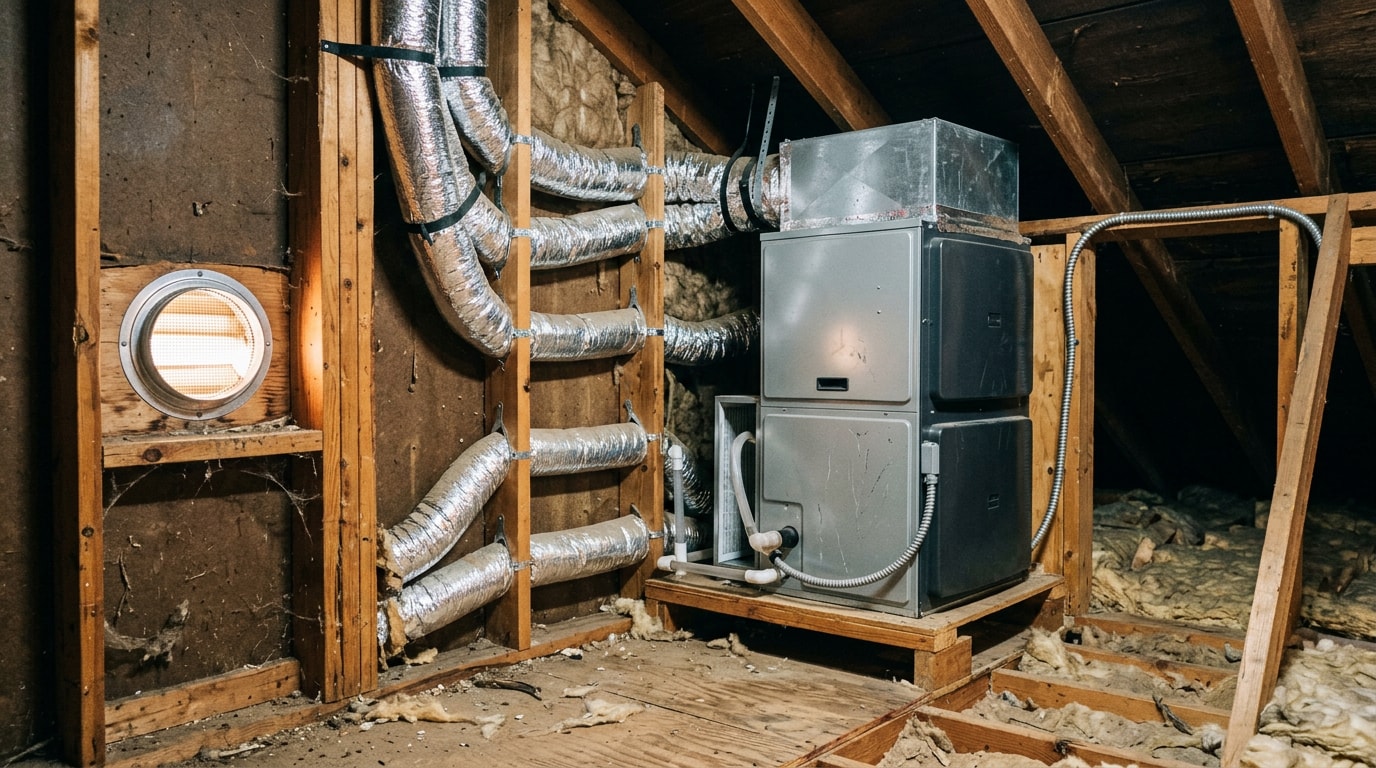
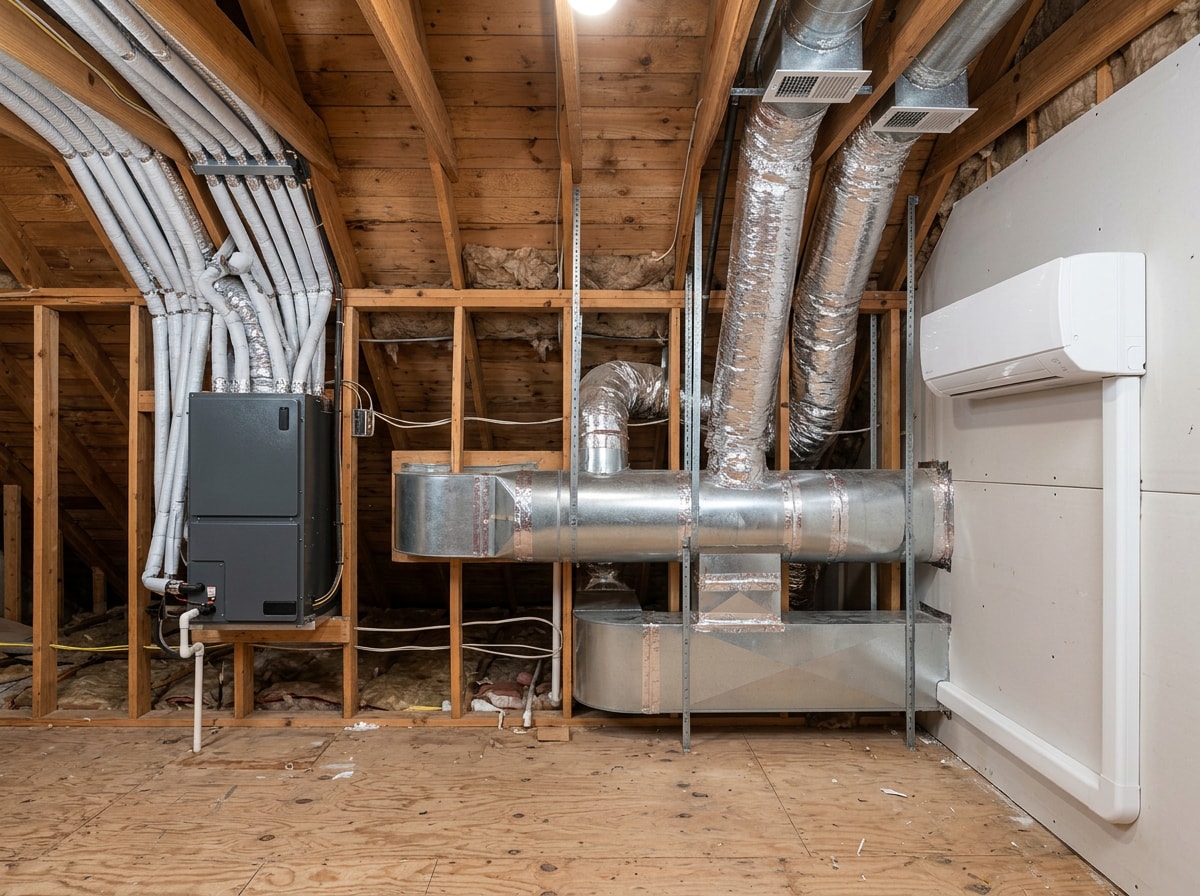
A high velocity HVAC system uses a compact air handler connected to small, flexible 2-3 inch ducts instead of the bulky metal trunks found in standard forced-air setups.
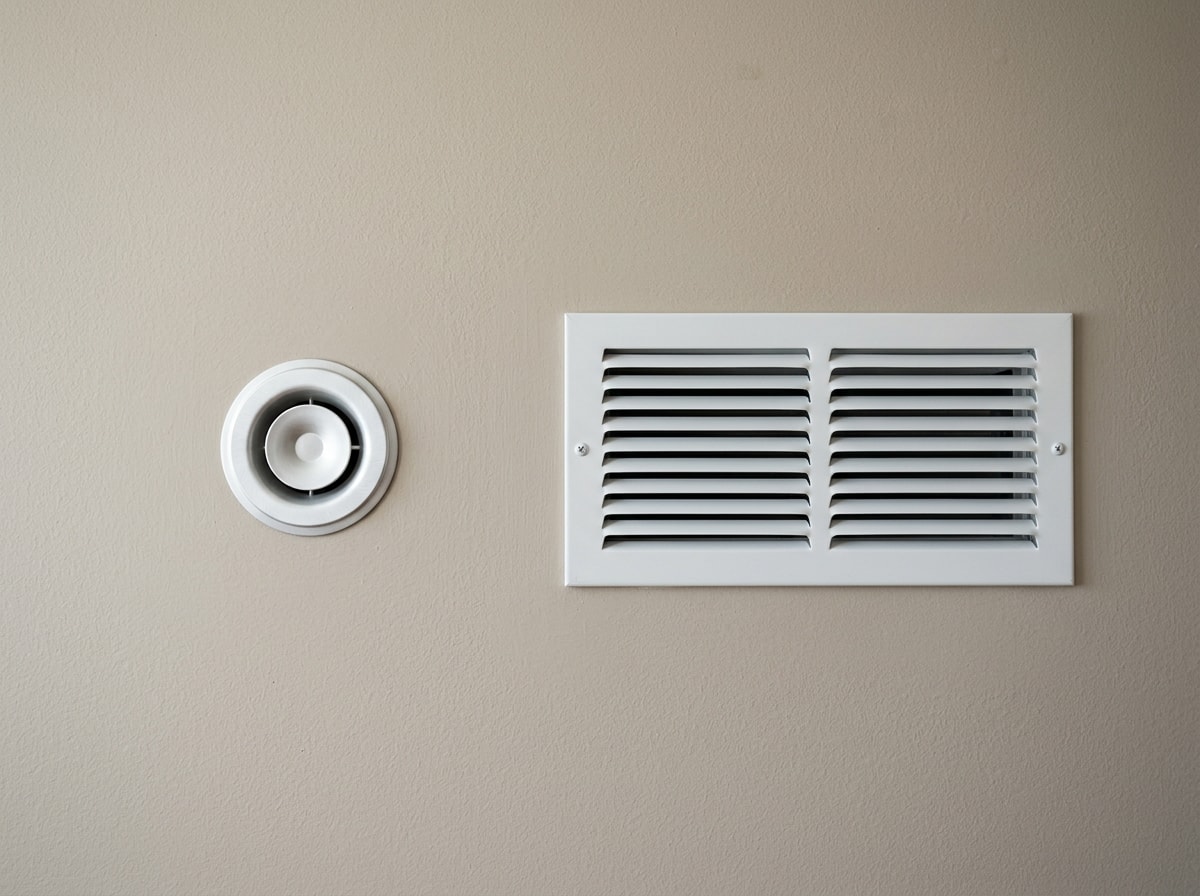
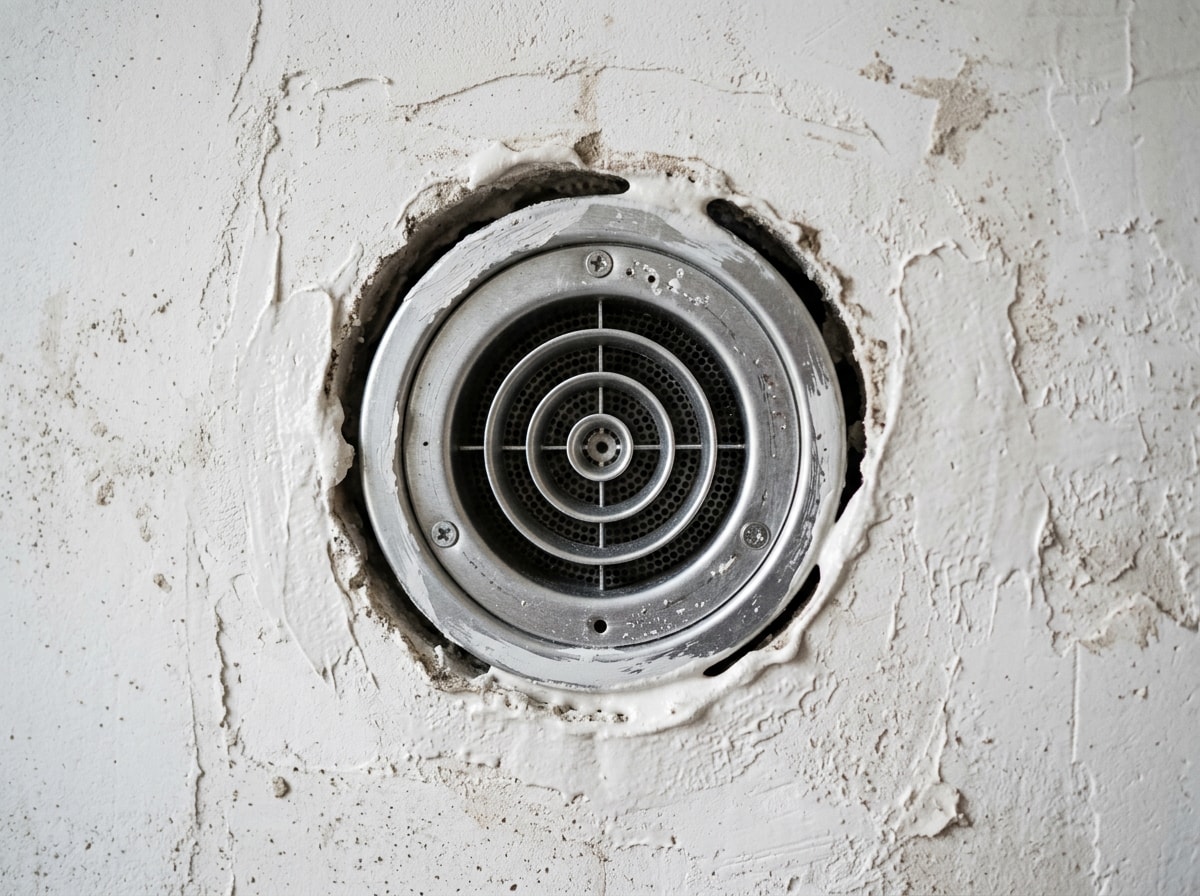
Air exits through small, round, flush-mounted outlets rather than large rectangular vents.
This is sometimes called small duct high velocity, or SDHV, and it's a distinct equipment category, not simply a faster-working installer. For homeowners researching high velocity AC Murrieta options, that distinction matters because it changes how the system fits into an existing structure.
How High-Velocity HVAC Systems Work
A high-velocity air handler pushes conditioned air at higher pressure through narrow, flexible small-diameter ductwork to small outlets placed throughout the home.
This creates rapid air mixing, known as aspiration, which pulls room air into the supply stream and evens out temperatures faster than a slow-moving stream of air from a large vent.
Rooms near the outlets feel comfortable almost immediately, rather than gradually warming or cooling the way a standard vent does. Conventional forced-air systems rely on large ducts and bigger vents to move a greater volume of slower-moving air instead.
High-Velocity vs. Conventional and Mini-Split Systems
Choosing between high velocity vs mini split and high velocity vs central air setups usually comes down to your walls, your attic space, and how much retrofit work you're willing to take on.
High-velocity systems need less demolition than conventional ducts but typically cost more in equipment. Mini-splits need no ductwork at all but mount visible indoor heads on walls or ceilings.
| Factor | High-Velocity | Conventional Ducted | Mini-Split |
|---|---|---|---|
| Duct size | 2-3" flexible | Large metal trunks | None |
| Retrofit difficulty | Low-moderate | High | Low |
| Equipment cost | Higher | Moderate | Moderate-High |
| Visible indoor unit | No | No | Yes |
In Murrieta and the broader Inland Empire, this comparison plays out most often in older ranch homes, converted garages, and additions built without matching ductwork. Dry inland heat demands strong, consistent cooling that standard add-on ducts can't always deliver without major wall openings.
Whichever system you pick, correct capacity matching matters more than brand preference. A proper load calculation, built around the Manual J 8th Edition procedure, which is required by national building codes and most state and local jurisdictions , is what separates a system that performs from one that short-cycles.
Benefits and Drawbacks of High-Velocity HVAC
Weighing high velocity HVAC pros and cons fairly means looking at both sides honestly.
Benefits of high velocity AC:
- Minimal demolition compared to standard duct retrofits
- More even temperatures room to room
- Strong humidity removal during Murrieta's warmer, drier stretches
- Tightly sealed small-duct design holds up well over time
Drawbacks to weigh:
- Outlet airflow can produce more high velocity HVAC noise than a mini-split's quiet indoor head if the system isn't balanced correctly
- Capacity typically tops out in the 4-5 ton range per system
- Installation requires contractors trained specifically in this duct style, not just general ductwork experience
Efficient dehumidification matters more than many homeowners realize. Leaky ducts can reduce heating and cooling system efficiency by as much as 20 percent , which is part of why a tightly sealed small-duct design tends to perform well on humidity control.
Where High-Velocity HVAC Makes the Most Sense
High-velocity systems tend to be the right call for homes with plaster walls, tight attic or wall-cavity space, finished additions, converted lofts, and older homes without ductwork altogether.
These are situations where traditional ducts would require tearing open finished surfaces that most homeowners want to keep intact.
That said, it's not automatically the best choice everywhere. If a home has generous attic space or an open floor plan that can accommodate standard trunks affordably, conventional ductwork may still be the simpler, lower-cost route for finished home AC installation.
For a sense of how these factors play out across our service area, see our Murrieta service area page.
Equipment Options
Several manufacturers produce high-velocity equipment, each with slightly different outlet styles and air handler footprints. Some prioritize a smaller air handler cabinet for tight closets, while others focus on outlet designs built for lower noise at the vent.
Reviewing the available equipment options with your installer helps match the right hardware to your specific home layout rather than defaulting to a single product line. Our Air Conditioning Installation team can walk through which air handler footprint fits your mechanical space before you commit to a quote.
Sizing and Custom System Design
Correct high velocity system sizing starts with a room-by-room Manual J load calculation, not a rough estimate based on square footage alone.
Oversizing a system causes short-cycling, uneven humidity control, and higher utility bills, so getting this number right matters as much as the equipment itself.
From there, duct layout is custom work. Every branch is routed based on your home's actual framing, not a generic template. If your home previously relied on wall units or no central system at all, our Ductless heating & A/C services page covers how we compare SDHV against ductless options before design starts.
If you'd like sizing specific to your property, request a free estimate and we'll walk through the load calculation with you.
Installation: What to Expect
A high-velocity retrofit is typically a multi-day project broken into distinct phases. Compared to standard ductwork, expect noticeably less demolition and patching along the way.
Day 1: Air Handler and Trunk
- Installers place the air handler in an attic, closet, or basement
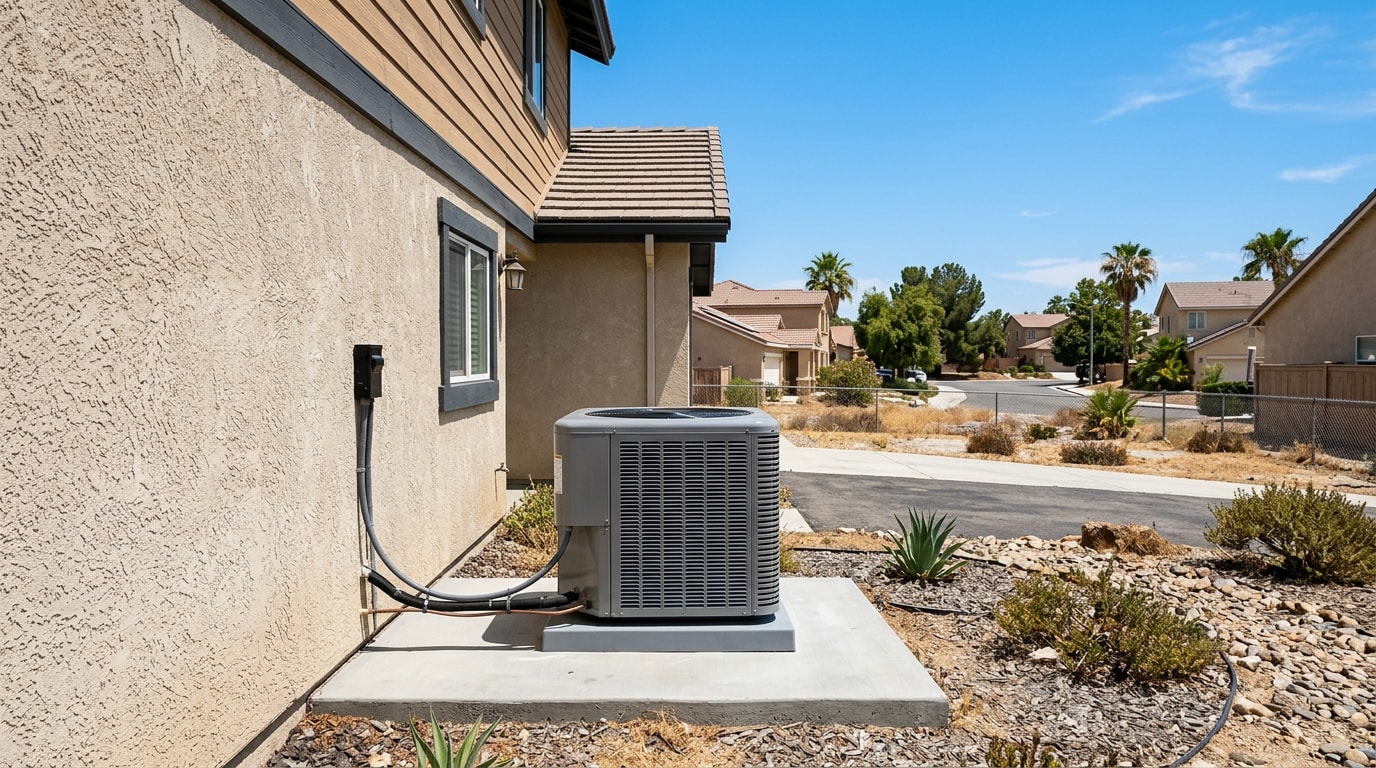
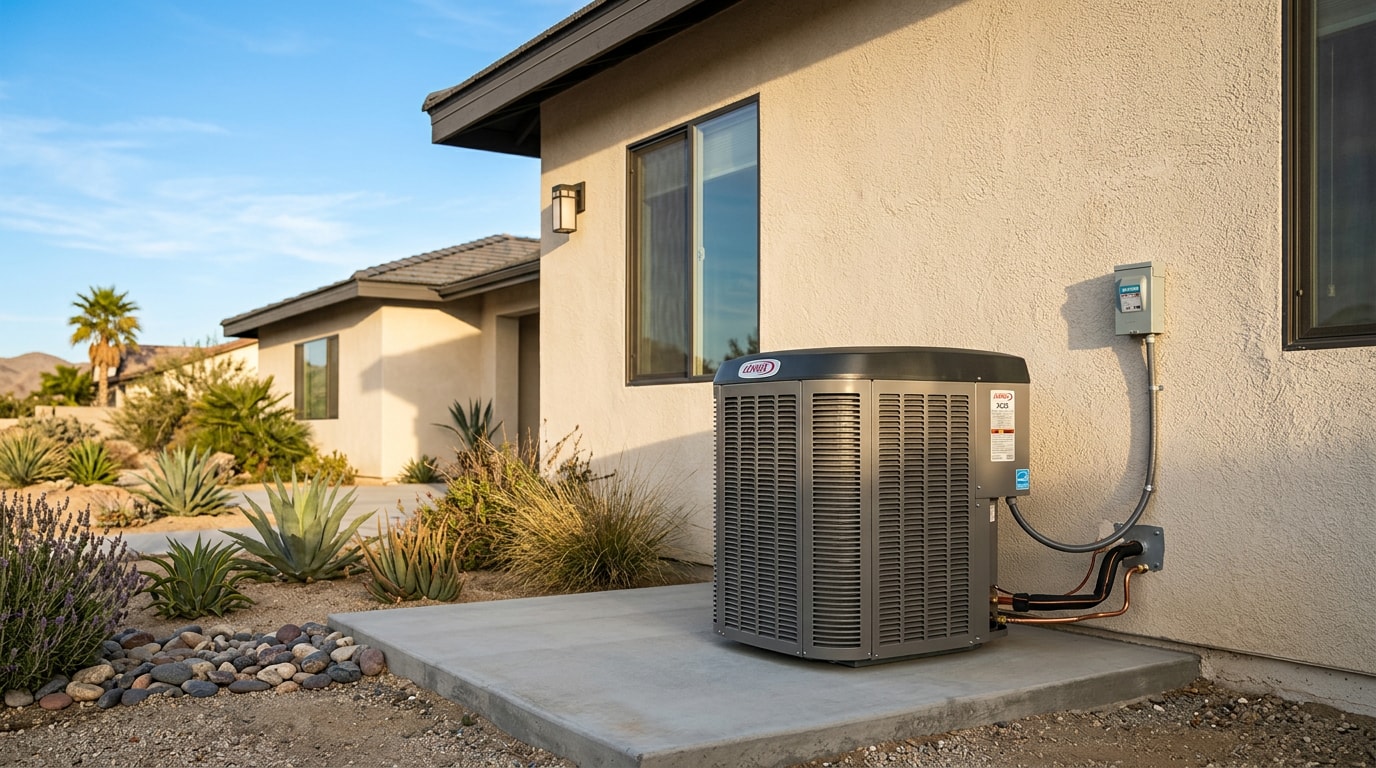
- The refrigerant line is run to the outdoor condenser
- The main supply plenum and return ductwork are roughed in first
Days 2-3: Branch Duct Routing
This is the most labor-intensive phase. Each individual branch duct is routed from the plenum to its outlet location, fished carefully through wall cavities and floor joists. It takes real precision in a retrofit setting, and rushing this step is where noise and uneven airflow problems usually start.
Days 3-4: Outlets, Electrical, and Commissioning
- Crews cut in and trim the final outlets
- The thermostat gets wired and the outdoor unit connected
- Airflow and static pressure are checked during commissioning
- System balancing follows, so each room receives the right amount of conditioned air
Want a thermostat upgrade bundled into the same visit? See our Thermostat installation page for compatible options.
How Installation Avoids Damaging Plaster Walls
Because the flexible tubing is only 2 inches in diameter, it threads through existing wall cavities using openings far smaller than what standard ductwork would require.
That's the core reason minimal-demolition HVAC work is possible in a plaster wall retrofit. The small tubing follows existing voids instead of forcing new chases through finished surfaces.
For a finished home, this usually means plaster, trim, and finished ceilings stay largely intact, with only small, patchable cut-ins needed at each outlet. Our Duct Services page has more detail on how branch runs are planned around existing framing.
Cost Breakdown
High velocity HVAC cost depends on a mix of equipment price and labor complexity.
Equipment often costs more upfront than standard forced-air systems, but that can be offset by lower labor costs since there's less wall-opening and patching required.
The biggest price drivers for a Murrieta installation are:
- Duct routing distance
- The number of outlets needed
- Overall home size and layout complexity
Larger homes with more rooms naturally require more branch runs and labor hours. Comparing SEER2 ratings between equipment options is also worth doing, since a higher-efficiency air handler can lower your long-term operating costs even when the upfront number looks similar across brands. For a project-specific number, get a free quote based on your home's layout, or read our HVAC AC Installation in Murrieta, CA: 2026 Cost & Permit Guide for a breakdown of local permit and labor factors.
Maintenance and Longevity
High velocity HVAC maintenance is fairly straightforward: regular filter changes, periodic checks of the sealed plenum and mini-duct connections, and occasional blower inspections keep the system running efficiently.
Small-duct systems are sealed more tightly than typical trunk-and-branch ductwork by design. ENERGY STAR requires a minimum of R-8 duct insulation for ducts located in unconditioned spaces such as attics , and SDHV equipment is built to meet that same standard, which supports better longevity with fewer leaks developing over time.
Routine care still matters, though. Skipping filter changes or ignoring airflow issues can shorten a system's working life regardless of duct type. Our HVAC system maintenance page covers what a seasonal check typically includes, and our Residential HVAC Services page outlines ongoing plans for the rest of the system.
Ready to see if SDHV fits your home? Visit our homepage to learn more about our Murrieta service area, or contact us directly to schedule a walkthrough.
FAQ
How Much Does a High-Velocity HVAC System Cost?
Cost varies by home size, duct routing length, and outlet count, with larger or more complex retrofits running higher. See the Cost Breakdown section above for the main pricing factors.
What Is the Difference Between High-Velocity and Mini-Split Systems?
The core difference is visibility: high-velocity hides equipment behind small flush outlets, while mini-splits mount visible indoor heads on walls or ceilings.
Are High-Velocity HVAC Systems Noisy?
Modern equipment is quieter than older generations, so noise depends heavily on proper installation and balancing. A well-installed system shouldn't be distracting in daily use.
Why Is High-Velocity AC a Good Option for Older Homes?
Older homes benefit from small, flexible tubing that fits through existing cavities, avoiding major demolition in plaster walls or tight attics. This makes a retrofit practical where standard ducts simply wouldn't fit.
How Long Does a High-Velocity Installation Take in Murrieta?
Most single-family retrofits run 3-4 working days, from setting the air handler to final balancing. Larger homes with more branch runs can take longer.
Can High-Velocity Systems Handle Murrieta's Hot Summers?
Yes, when sized correctly. A system matched to your home's actual Manual J load, not a square-footage guess, is what keeps performance consistent through peak inland heat. Ready to see if it fits your home? Schedule an estimate with our team.