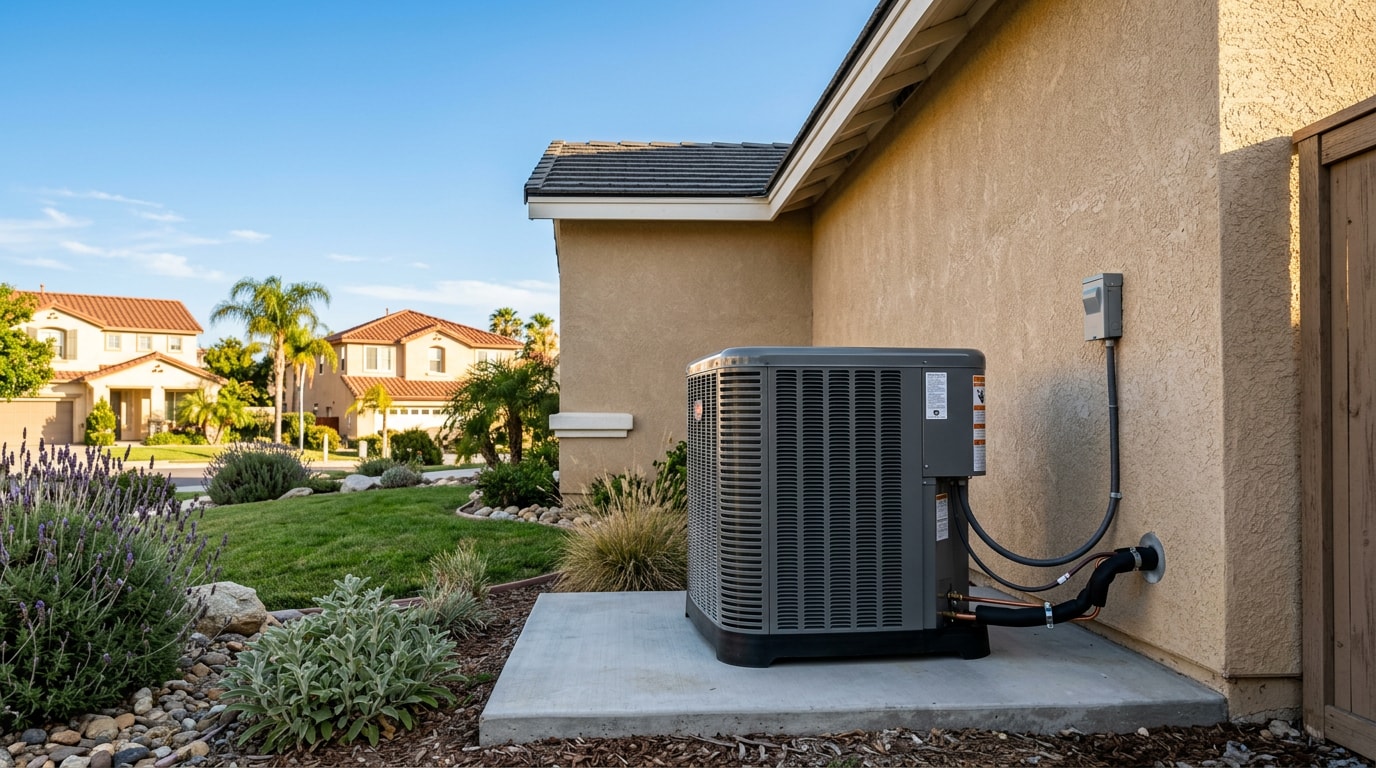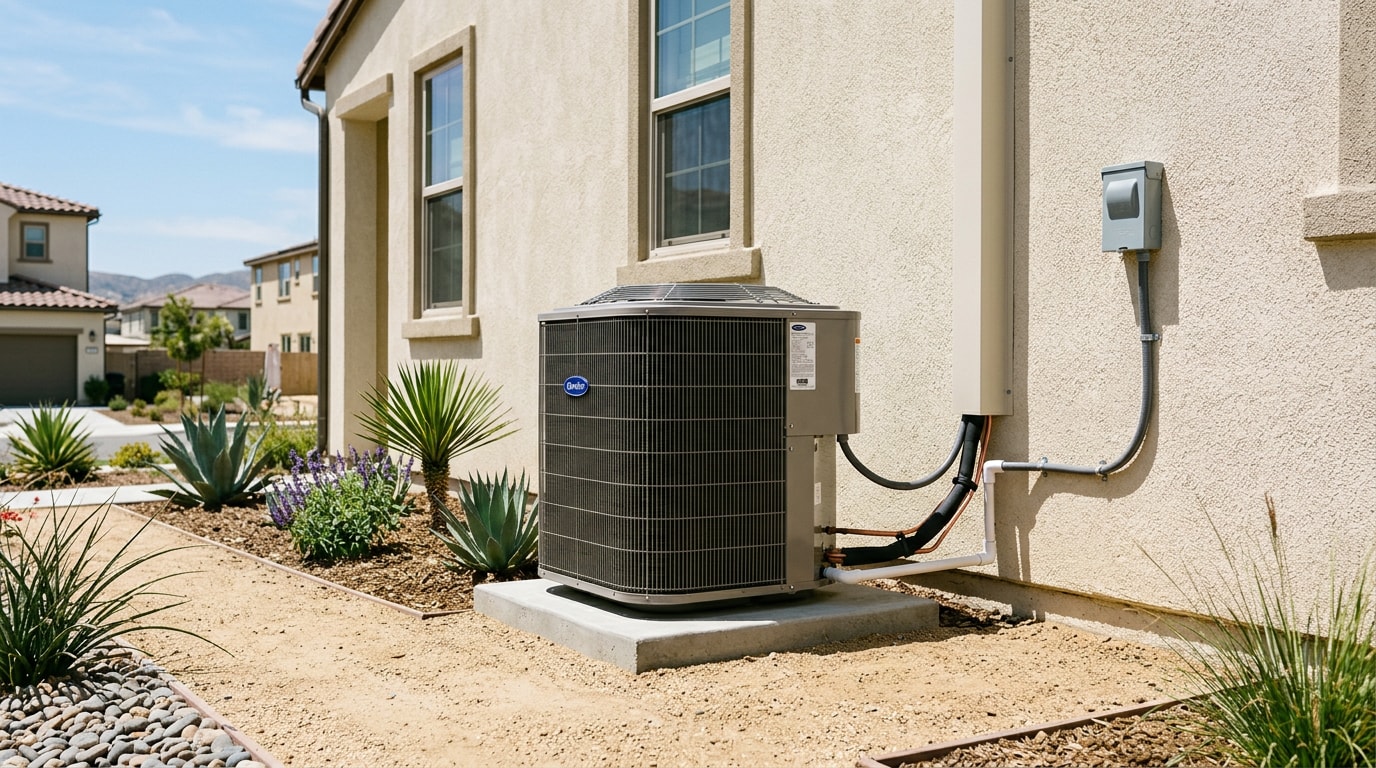
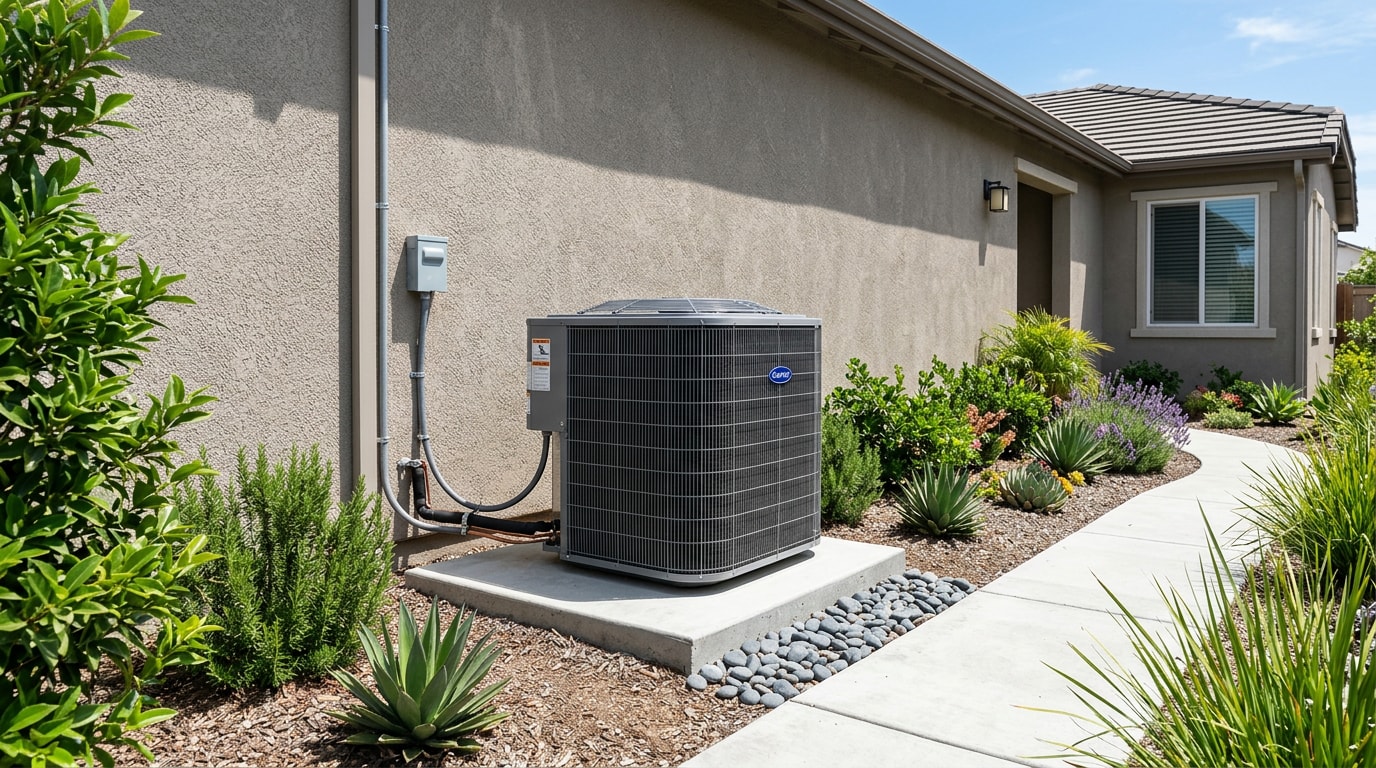
An HVAC membership in Corona, CA trades a small monthly fee for two seasonal tune-ups, priority scheduling, and a discount the next time something breaks. It's built for a climate where air conditioners run almost nonstop from May through October and furnaces still have to fire up on cold winter nights. Before you sign anything, here's what a membership should actually include, what it costs in this market, and how to tell a solid plan from a thin one.
Visit Priority One, Inc. to see our services and request a free estimate.
Why Corona Homeowners Choose an HVAC Membership
Corona's climate works equipment hard in both directions.
Summers push air conditioners through months of near-continuous cycling. Cooler winter nights then ask a furnace or heat pump to restart after sitting idle for half the year. That stop-start pattern wears down belts, contactors, and capacitors faster than it would in a milder region.
A membership catches that wear before it becomes a breakdown. A technician checks refrigerant levels, electrical connections, and airflow twice a year instead of once, which is the same cadence recommended in the keep your cooling and heating system at peak performance by having a contractor do annual pre-season check-ups, with the cooling system checked in spring and the heating system in fall .
Skipping that routine doesn't just raise your odds of a breakdown. It also shortens the usable life of equipment that would otherwise run reliably for a decade or more. If your system is already acting up, it's worth comparing a membership against a one-off visit through air conditioning repair services first.
What's Included in a Corona HVAC Membership
Most reputable plans in this market build around the same core structure, even though the exact wording changes by company:
- Two seasonal tune-ups per year (spring AC, fall furnace or heat pump)
- Priority scheduling ahead of non-member customers during peak demand
- A discount on repair parts and labor, typically 10% to 20%
- A waived or reduced diagnostic/dispatch fee
- Faster response windows for after-hours or emergency calls
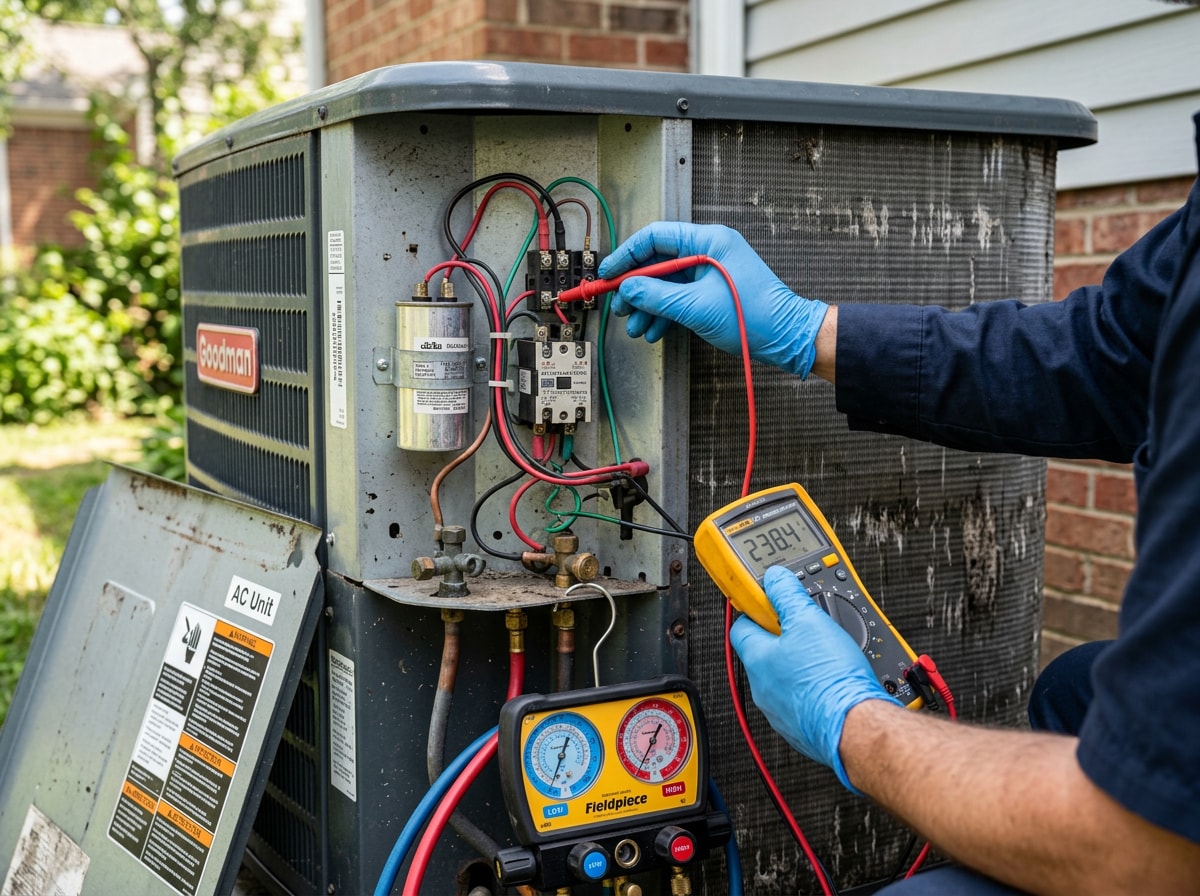
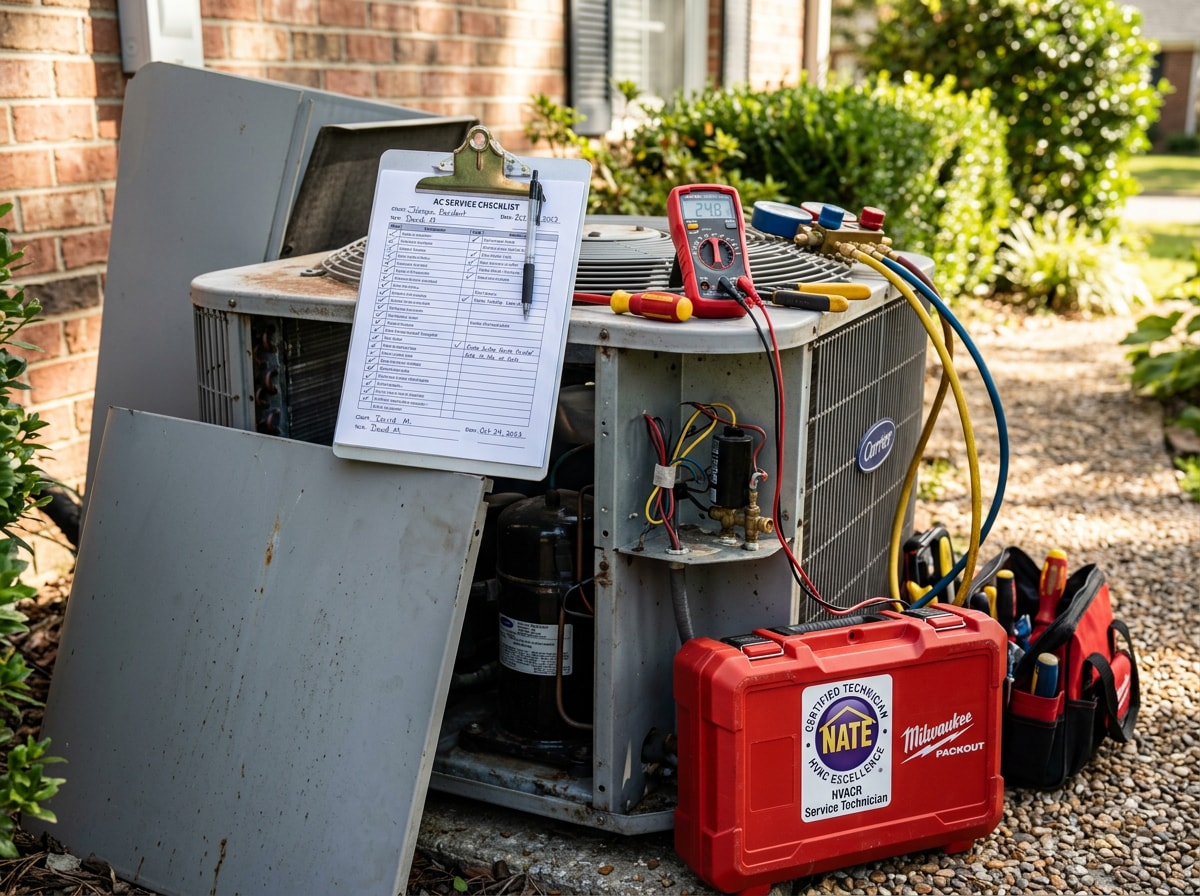
Each seasonal visit should follow a consistent checklist, not a quick glance at the unit. At minimum, expect a refrigerant check, coil cleaning, electrical connection inspection, thermostat calibration, and a condensate drain flush. These are the same core items ENERGY STAR's maintenance checklist calls out, including checking thermostat settings and tightening all electrical connections while measuring voltage and current on motors .
Because plan details vary, it helps to see tiers side by side:
| Plan Tier | Tune-Ups Per Year | Repair Discount | Dispatch Fee Waived | Typical Monthly Price |
|---|---|---|---|---|
| Basic | 1 | 5–10% | No | ~$10–$15 |
| Standard | 2 | 10–15% | Yes | ~$15–$20 |
| Premium | 2 + priority dispatch | 15–20% | Yes | ~$20–$25 |
Most Corona homeowners land on a Standard-tier plan since it covers the two tune-ups most manufacturers expect for warranty compliance. Older systems or homes running two units often do better on Premium, where priority dispatch matters most during a July heat spike. If you want a closer look at what a seasonal visit covers, the heating maintenance page breaks down a typical fall visit in detail.
How Much Does HVAC Membership Cost in Corona, CA?
Across the Inland Empire, membership pricing generally runs $15 to $25 per month, or roughly $180 to $300 a year per system, depending on how many tune-ups and discounts are bundled in. Multi-system households usually pay a flat add-on per extra unit rather than a second full membership.
Compare that to a standalone emergency dispatch fee, which commonly runs $75 to $200 before any repair work begins, and the math tends to favor enrolling if you expect to need even one service call a year.
There's also an energy angle. Dirty coils, clogged filters, and low refrigerant all force a system to run longer to hit the same setpoint, and that shows up on the utility bill. Routinely replacing or cleaning air filters can lower an air conditioner's energy consumption by 5 to 15 percent , according to the U.S. Department of Energy's guidance on maintaining your air conditioner. On a typical Corona summer electric bill, that's not a rounding error.
Beyond the dollar math, perks like waived dispatch fees and repair discounts add up fast for any household that's needed more than one visit in a season. For many, the plan pays for itself the first time it prevents a mid-July no-cool call.
Credentials to Check Before You Sign Up
Not every company selling a membership backs it with the same level of service, so check credentials before you commit.
Look for NATE-certified technicians. Founded in 1997, North American Technician Excellence (NATE) is the nation's largest non-profit certification organization for HVACR technicians, developed by and supported by the industry for over 25 years . You can confirm what the credential covers directly through NATE's certification program.
Also ask whether technicians hold EPA Section 608 certification, which is a legal requirement, not a nice-to-have. EPA regulations under Section 608 of the Clean Air Act require that technicians who maintain, service, repair, or dispose of equipment that could release ozone-depleting refrigerants must be certified . The EPA's Section 608 program page explains the requirement in full if you want to verify it yourself.
I'll say this as someone who's been doing this work locally for a while: the membership itself matters less than who's standing behind it. Priority One, Inc. was founded by Steve Rudas, who has been in the HVAC service industry for more than 26 years and is fully NATE certified . Our installations carry a 10-year parts and labor warranty, backed by a lifetime warranty on craftsmanship , which is the same standard we hold our maintenance visits to. We're licensed, insured, and we serve Corona as part of our regular coverage area alongside Riverside County and the surrounding communities. You can see our full service lineup on the HVAC contractor services page or check our Corona, CA service area directly.
If dirty air is part of what's driving your comfort complaints between visits, pairing a membership with a filter replacement schedule closes that gap between seasonal tune-ups.
Getting Started
Enrolling in a membership is usually a short conversation, not a sales pitch. A good contractor will walk your system's age and tonnage, recommend a tier, and explain exactly what's covered before you pay anything. If your AC has been running rough lately or hasn't been serviced in over a year, it's worth reading our Corona-specific breakdown on AC cleaning services before your first tune-up visit so you know what to expect.
Ready to compare plans for your home? Get a free estimate and we'll recommend a tier based on your system's age, tonnage, and how hard it runs through a Corona summer.
FAQ
How much does an HVAC membership cost in Corona, CA?
Most plans run $15 to $25 per month, or $180 to $300 a year per system. Multi-system homes typically pay a smaller add-on fee per additional unit rather than a second full membership.
What's included in an HVAC membership?
A standard membership includes two seasonal tune-ups (spring AC, fall heating), priority scheduling ahead of non-members, a discount on repairs, and often a reduced or waived dispatch fee. Premium tiers add faster emergency response.
How often should I schedule HVAC maintenance?
At least once a year, though twice yearly, spring for cooling and fall for heating, is ideal for most Corona homes. Heat pumps that run year-round benefit the most from the twice-yearly cadence.
Is an HVAC maintenance plan worth it?
For most homeowners, yes. A membership usually costs less annually than a single emergency repair call, and routine maintenance can cut energy waste tied to dirty filters and coils by a meaningful margin.
Do I need a separate membership for each HVAC system I own?
Not usually. Most providers charge a base membership price for one system and a smaller flat fee per additional unit, rather than a full second membership.
Do you guarantee your work?
Reputable Corona HVAC companies back membership repairs with a workmanship guarantee, and many extend parts-and-labor coverage on top of that for added peace of mind.