Hiring the right hvac inspector Corona, CA homeowners can trust matters more here than in milder climates, since the Inland Empire swings between triple-digit summers and chilly winter mornings that push equipment hard in both directions. Whether you're closing escrow, scheduling seasonal maintenance, or chasing down a system that isn't keeping up, an inspection tells you exactly what's failing before it strands you without heat or air. Here's what a real inspection covers, what it costs in 2026, and how to tell a trustworthy technician from a rushed one.
Key Takeaways
- A full HVAC inspection in the Corona area typically runs $150 to $500, with single-system checks often landing lower.
- Inspections cover cooling and heating components separately, including refrigerant levels, heat exchangers, and carbon monoxide safety.
- California's updated 2026 energy code now shapes what inspectors check on many systems, especially around refrigerant type and duct performance.
- A licensed technician should carry verifiable credentials and insurance before any work begins.
- Most systems benefit from an inspection every six to twelve months. Our HVAC Contractor team covers Corona and the surrounding Inland Empire for scheduling.
What Happens During an AC Inspection?
A licensed inspector checking Corona's air conditioning systems should expect roughly six core steps.
- Thermostat accuracy testing
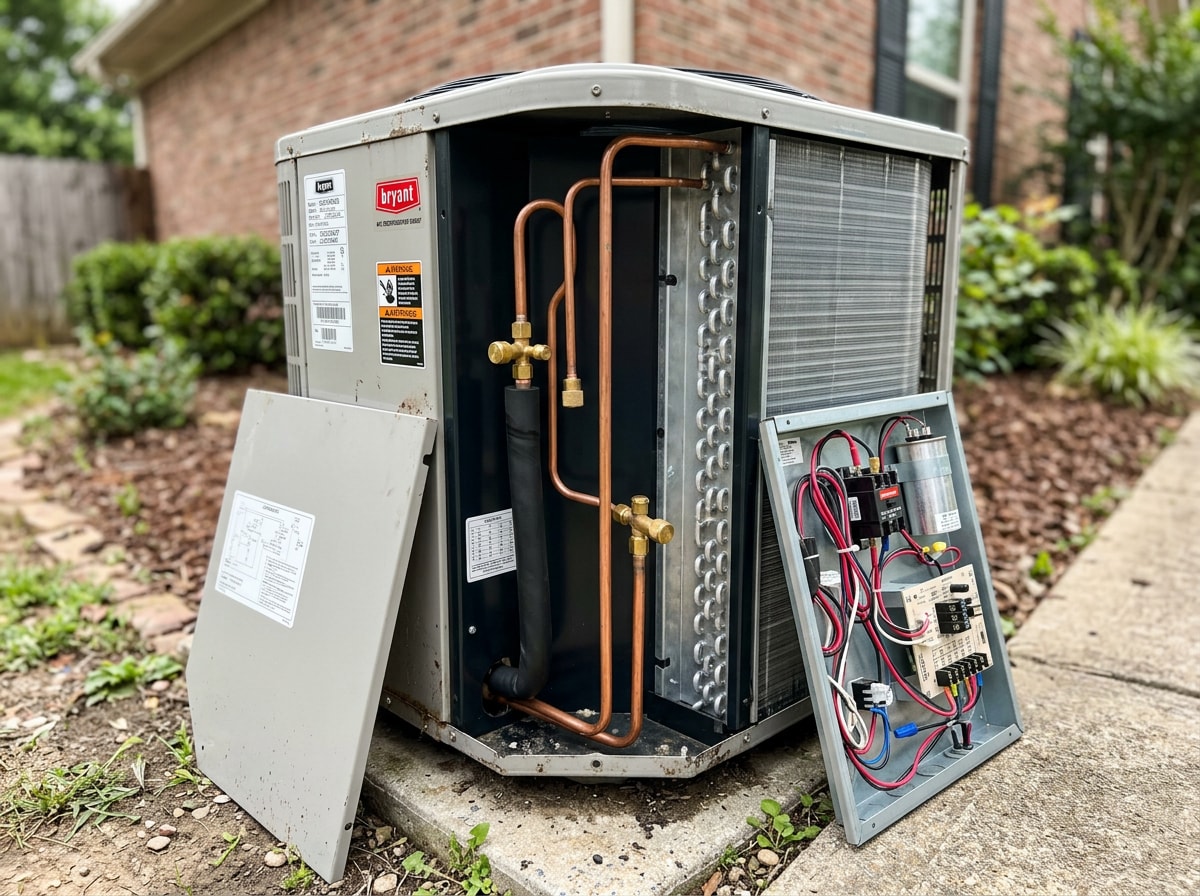
- Condenser and evaporator coil inspection
- Electrical component checks (capacitors, contactors, wiring)
- Refrigerant level verification
- Air filter examination
- A full system performance run
Each step catches a different failure point before it causes a breakdown during peak summer heat.
Thermostat accuracy matters because a miscalibrated reading forces the system to run longer than necessary, wasting energy. The condenser coil gets cleaned and inspected because dirt buildup blocks heat transfer, forcing the compressor to work harder. Electrical component testing catches the parts most likely to fail without warning, long before they strand you on a 105-degree afternoon.
Checking refrigerant levels matters because low refrigerant signals a leak and directly reduces cooling efficiency. At Priority One Home Services, our technicians run this same checklist on nearly every Corona service call, and the single most common issue we find locally is a dirty condenser coil paired with a borderline refrigerant charge, usually after a long stretch of dry Santa Ana winds. In Corona's triple-digit summer stretches, an AC inspection isn't optional maintenance. It's what keeps a system running through the hottest months without a mid-July failure. If your system is already underperforming, our air conditioning repair team can diagnose it the same visit.
What's Included in a Furnace Inspection
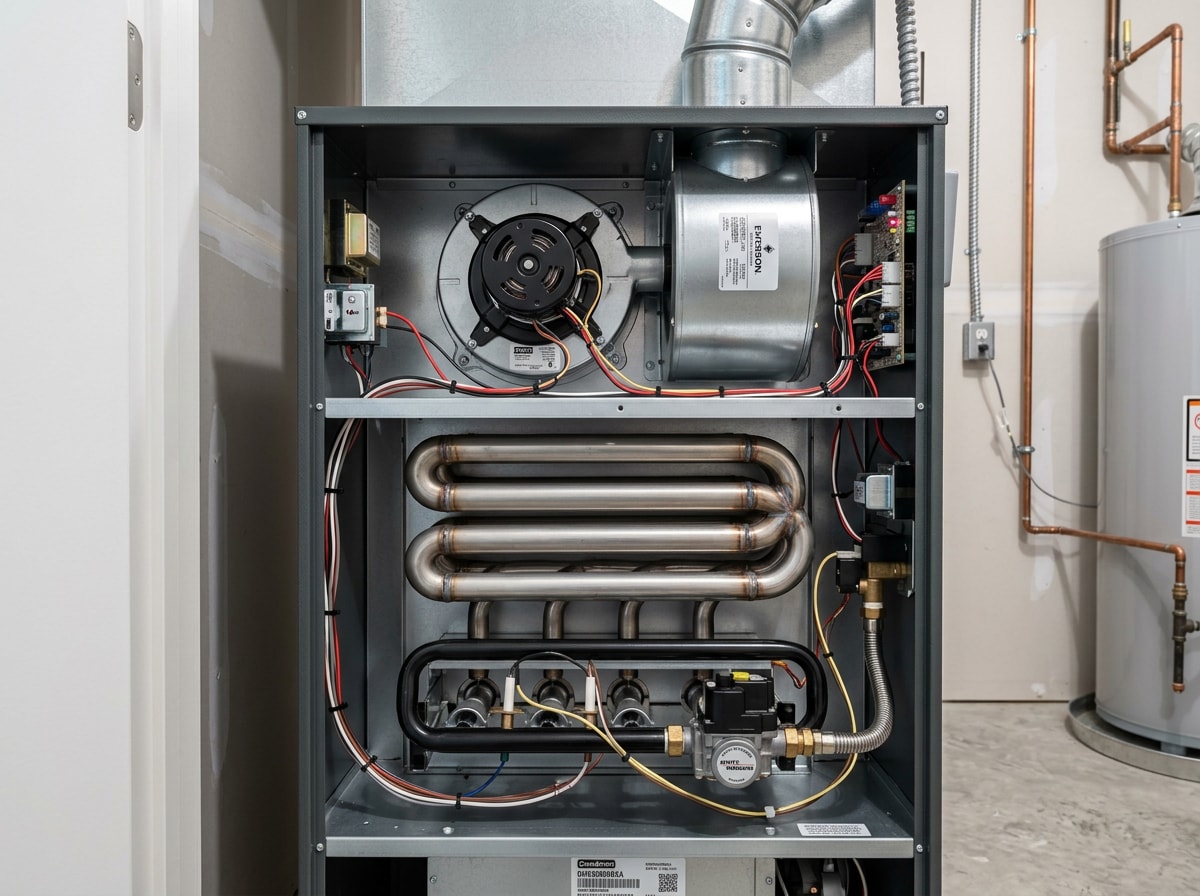
A thorough furnace inspection examines the heat exchanger, burner assembly, blower motor, and ignition system, then cleans internal parts and verifies all safety controls. The same visit typically includes a filter check, gas line inspection, thermostat calibration, carbon monoxide testing, and airflow analysis, all within one inspection scope.
The heat exchanger and carbon monoxide checks deserve the most attention. A cracked heat exchanger can leak combustion gases into living spaces. The CDC notes that carbon monoxide is an odorless, colorless gas that kills without warning, and faulty furnaces are a leading household source. This single risk is the strongest argument for hiring a licensed inspector rather than skipping the service entirely.
Beyond safety, the blower motor inspection confirms airflow is adequate for even heating throughout the home. Weak airflow often points to a failing motor or a clogged duct system, both fixable before winter demand peaks. If your furnace is already struggling, our heating repair and heating maintenance services pick up right where the inspection leaves off.
California's 2026 Energy Code: What It Means for Your HVAC Inspection
Something most Corona homeowners haven't heard yet: California's energy rules for HVAC systems changed as of January 1, 2026. The California Energy Commission's 2025 Building Energy Efficiency Standards now apply to any permit filed on or after that date, including most furnace, AC, and ductwork replacements.
A few practical effects worth knowing before your next inspection or replacement:
- Replacement condensers and heat pumps installed under the new cycle generally use A2L refrigerants like R-454B or R-32 rather than the older R-410A, since manufacturers have shifted their production lines.
- Duct sealing and insulation requirements remain strict, and an inspector checking ductwork will often flag leakage that would fail a Title 24 verification during a full system change-out.
- A routine inspection itself doesn't require a permit, but replacing a condenser, furnace, or duct run almost always does, even for a like-for-like swap.
An inspector who understands these changes can tell you not just what's wrong with your system, but whether a repair still makes sense or whether the equipment is close enough to end-of-life that a code-compliant replacement is the smarter move.
How Much Does an HVAC Inspection Cost?
An HVAC inspection typically costs $150 to $500, with national data putting the average closer to $300 and a full range of roughly $70 to $700 depending on system type and scope. Single-component checks, such as a furnace, AC unit, or ductwork alone, usually run less than a full system inspection, and most technicians bill $75 to $150 per hour for their time.
Corona and the broader Riverside County market tend to track closer to Southern California's regional averages than big-city Los Angeles rates, though exact local pricing isn't separately published. Here's a reasonable estimate based on how national and regional cost data typically scale:
| Inspection Type | National Range (2026 data) | Typical Corona-Area Estimate* |
|---|---|---|
| Furnace-only | $80–$150 | $100–$175 |
| AC-only | $75–$150 | $100–$185 |
| Ductwork-only | $80–$180 | $90–$190 |
| Full system (AC + furnace) | $150–$500 | $175–$450 |
| Escrow/pre-purchase inspection | $300–$700 | $275–$550 |
*Corona-specific pricing data isn't separately published; these estimates blend national cost data with Southern California labor rates, which generally run $75 to $150 per hour.
Regular inspections also pay for themselves over time. ENERGY STAR notes that routinely maintained HVAC equipment runs more efficiently than neglected systems, which helps offset the inspection fee over a season or two. Want a firm number for your specific system? Get a free estimate from our Corona-based team before you commit to anything.
Why Trust a Local HVAC Inspector in Corona, CA
Four things separate a trustworthy inspector from a risky hire:
- Proper licensing and insurance
- Transparent, upfront pricing
- Prompt, courteous service
- Real familiarity with Corona's climate demands
In California, a legitimate contractor should hold an active state contractor's license, and homeowners can verify license, bond, and insurance status directly through the CSLB's Check a License tool before booking anyone. It takes about two minutes and confirms the business is actually allowed to work on your home.
Local HVAC expertise also matters more than it seems. A technician who regularly services Inland Empire homes understands how extended heat waves stress AC systems differently than a coastal climate would, and prices their work accordingly without surprise add-ons. That's the standard we hold our own team to at Priority One Home Services, and it's worth asking any contractor you're considering the same questions before they step inside your home.
Service Area
Corona-based HVAC inspection services typically extend to nearby Riverside County communities, including Corona, Riverside County, Menifee, Murrieta, Temecula, Moreno Valley, Perris, and Hemet. Pricing generally stays consistent across this coverage area, so a short drive between neighborhoods shouldn't change your quote.
If you're searching "HVAC inspector near me" from anywhere in this Riverside County service radius, you should land on the same inspection standards and pricing. For related maintenance between inspections, our guide on AC cleaning services near me in Corona, CA covers what to check before you book a cleaning separately from a full inspection.
FAQ
How Often Should You Get an HVAC Inspection?
Scheduling an HVAC inspection every six months helps your system run efficiently and safely, catching small issues before they cause breakdowns or costly repairs. Many homeowners opt for an annual check instead, depending on the age and condition of their system. Checking before each cooling and heating season is the general rule of thumb.
Is an HVAC Inspection Worth It?
Yes. The modest upfront cost is far smaller than the price of an emergency mid-summer breakdown or a repair discovery that delays a home sale. It's one of the cheapest ways to prevent costly surprises.
How Long Does an HVAC Inspection Take?
Most HVAC inspections take one to three hours, depending on system complexity and whether both heating and cooling units are checked in the same visit.
What's the Difference Between an HVAC Inspection and HVAC Maintenance?
An inspection is diagnostic. It finds and reports problems without fixing them. Maintenance, or a tune-up, includes that same inspection plus hands-on work like cleaning parts, replacing filters, and adjusting components.
Do I Need a Permit for an HVAC Inspection in Corona, CA?
No. A routine inspection doesn't require a permit. Replacing a furnace, condenser, or significant duct run usually does, since that work falls under California's Title 24 energy code.
What's Included in an Escrow or Pre-Purchase HVAC Inspection?
An escrow inspection covers everything a standard full-system inspection does, plus a written, photo-documented report that buyers, sellers, and agents can use during negotiations. It typically costs more than a routine inspection because of that added documentation.
Ready to schedule? Contact our Corona team for a free estimate, or browse our full HVAC Contractor services to see everything we handle beyond inspections.