An HVAC quote in Corona, CA typically lands between $5,500 and $16,000, depending on the equipment, your home's size, and the condition of your ductwork. Prices shift fast with new refrigerant rules and tariffs affecting equipment costs this year, so a number you saw last season may already be out of date. This guide breaks down real 2026 pricing by system type, explains what drives Corona quotes higher or lower, and tells you exactly what to check before you sign anything.
How Much Does an HVAC Quote Cost in Corona, CA?
Most Corona homeowners pay somewhere between $5,500 and $16,000 for HVAC replacement, depending on the equipment chosen and the scope of work. A simple AC-only swap sits at the low end. A full variable-speed system with new ductwork sits at the high end. Treat these as starting points. Your actual quote depends on your home's specifics and current market conditions.
HVAC Cost by System Type
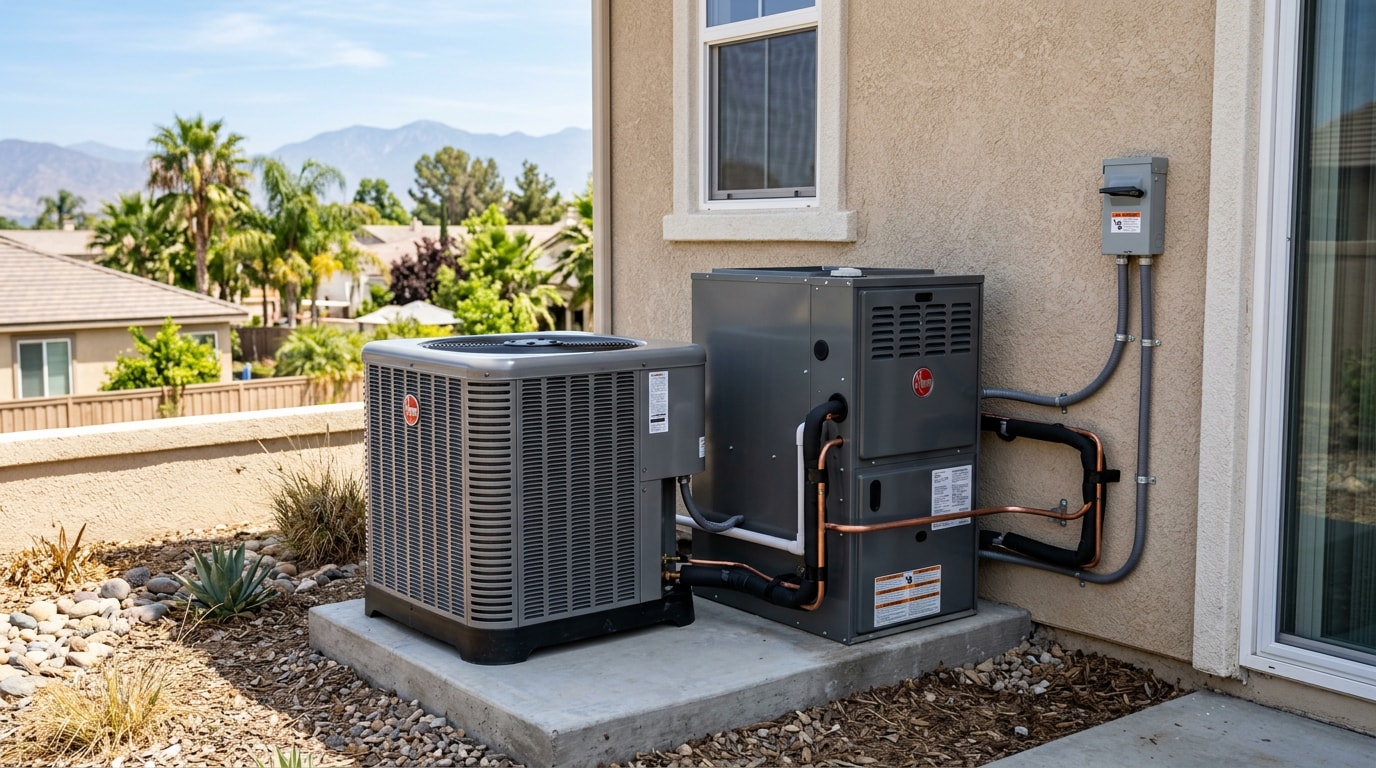
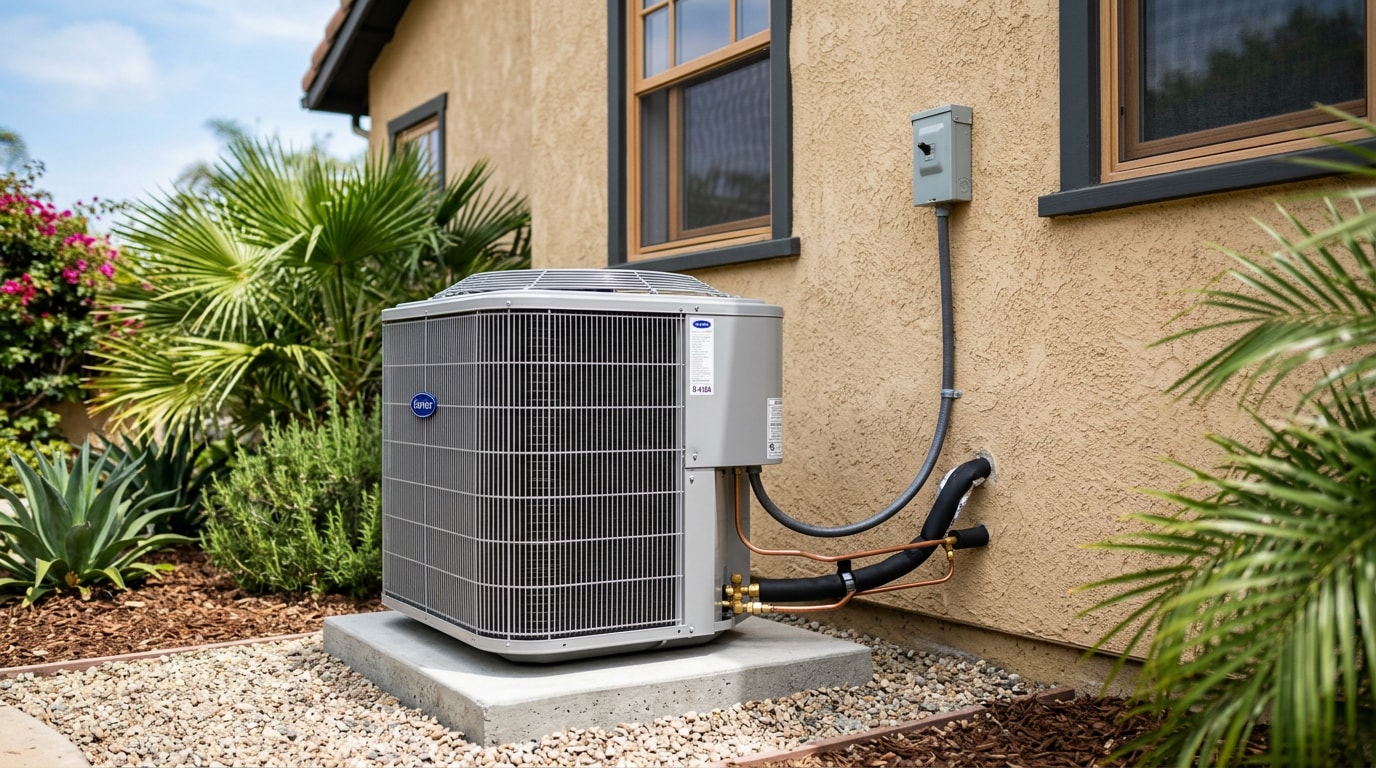
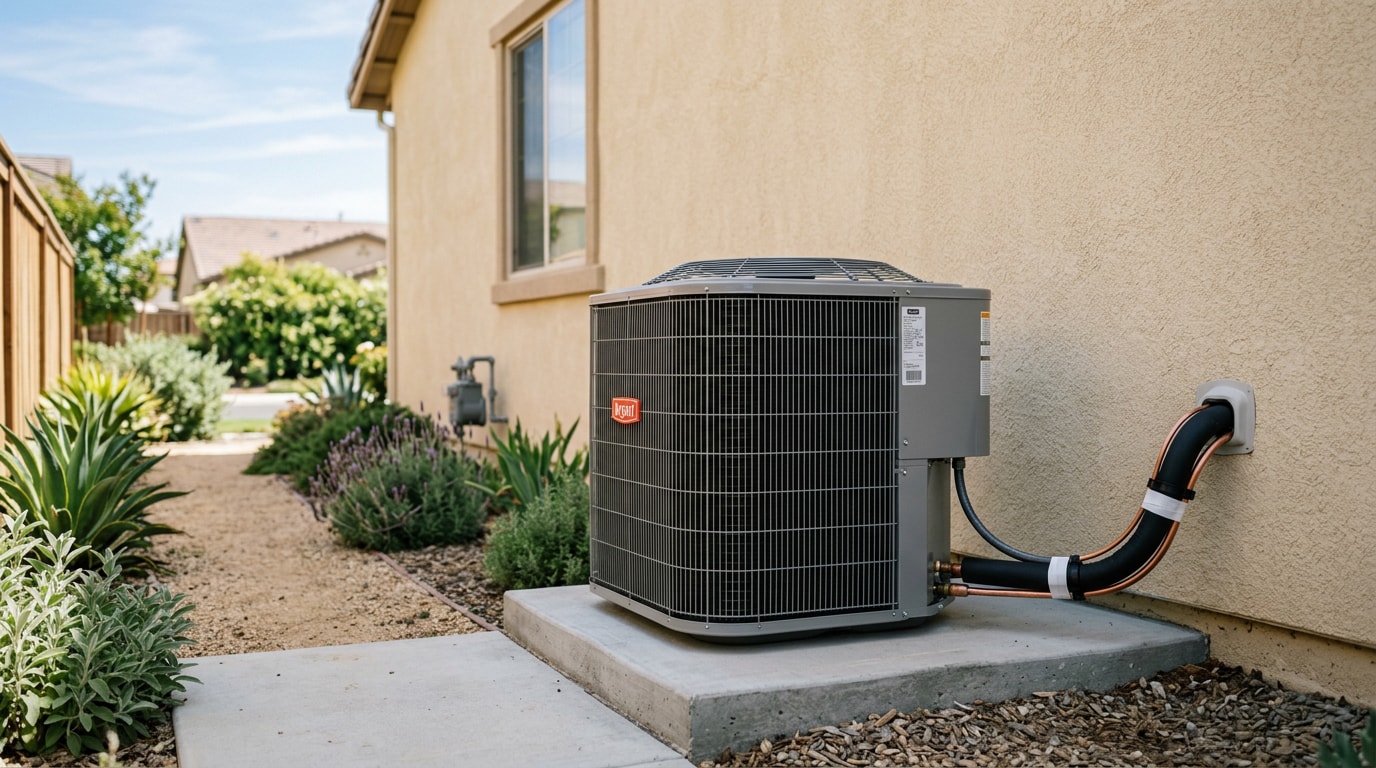
An AC-only replacement typically runs $5,500 to $9,000 in Corona. A full system replacement (AC plus furnace) runs $8,500 to $14,000. Heat pump installs often land between $9,500 and $16,000, reflecting both the equipment cost and the more complex refrigerant lines involved.
| System Type | Typical Corona Price Range | Good Fit For |
|---|---|---|
| AC-only replacement | $5,500–$9,000 | Working furnace, straightforward swap |
| Full system (AC+furnace) | $8,500–$14,000 | Aging furnace paired with AC |
| Two-stage system | $9,000–$13,500 | Moderate comfort upgrade, single-story homes |
| Variable-speed system | $11,000–$16,500 | Two-story homes, hillside heat load |
| Heat pump | $9,500–$16,000 | Homes seeking efficiency incentives |
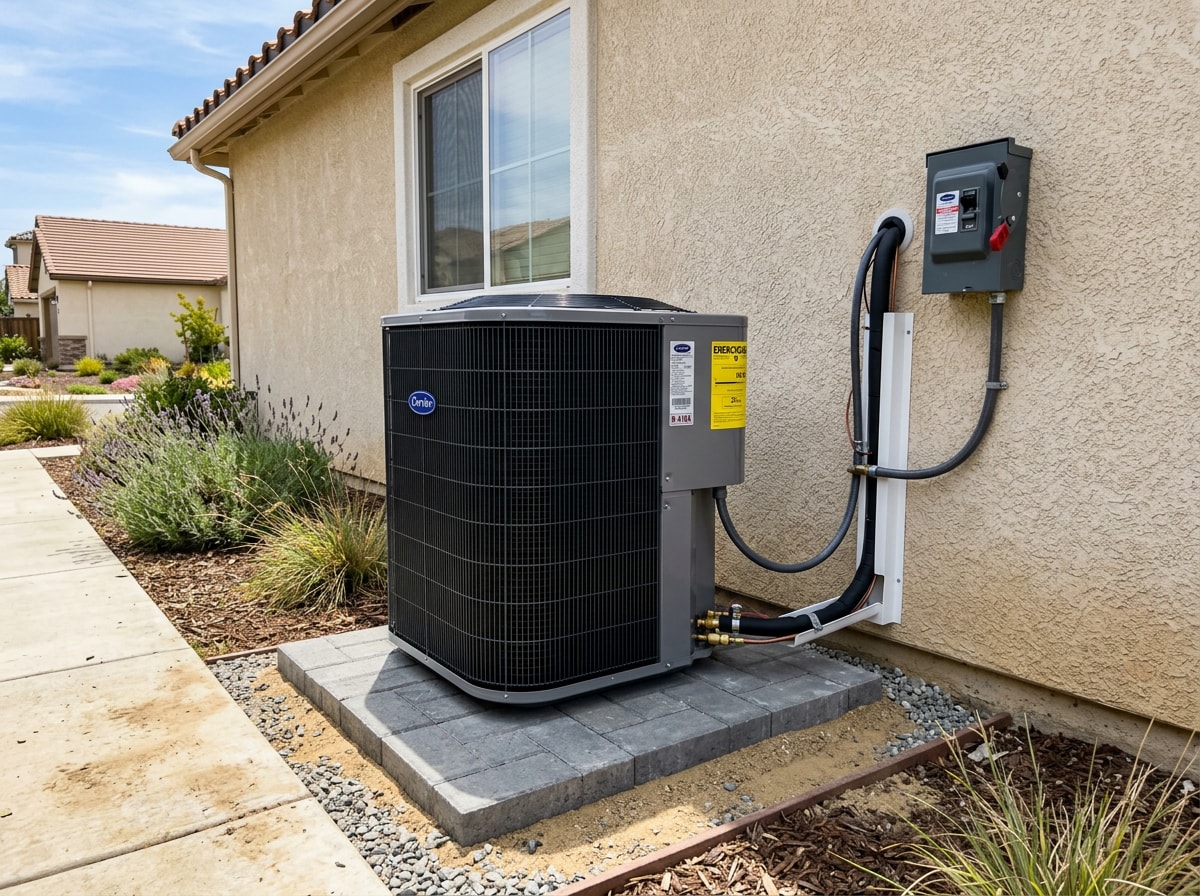
Hillside neighborhoods and west-facing two-story homes tend to carry heavier cooling loads, which is where variable-speed systems often earn back their higher upfront cost through steadier comfort. We see this play out on nearly every call we run in Corona's hillside tracts: single-stage equipment struggles to keep the upstairs comfortable by mid-afternoon, while a properly sized variable-speed system holds temperature without constantly cycling. For a closer look at options, see our air conditioning installation services and heating installation services, which covers heat pump systems too.
HVAC Cost by Home Size & Tonnage
Home size drives tonnage, and tonnage drives price. A 1,200 to 1,500 square-foot Corona home usually needs a 2.5 to 3 ton system. Homes above 2,500 square feet often require 4 to 5 tons, sometimes split across two zones.
Expect roughly $1,200 to $1,800 per ton installed, though window placement, insulation, and roof orientation can shift that. Getting sizing right matters more than chasing the cheapest quote. An undersized system runs constantly and never catches up on a 100-degree day. An oversized one short-cycles, which wears out components faster and leaves the house clammy because it never runs long enough to pull humidity out of the air.
What Affects HVAC Prices in Corona?
Labor rates in Corona run somewhat above the national average for the trade, reflecting Inland Empire wage and demand trends. Permit costs, home age, and ductwork condition also factor in. Older homes with original, leaky ductwork often need duct sealing or replacement alongside the new equipment, which adds to the total. If your ducts haven't been inspected in a decade or more, ask your contractor to check them before finalizing a quote. Our duct services page covers what that inspection typically involves.
HVAC Equipment & Technology for Corona Homes
Quotes written in 2026 look different from older ones. New systems ship with low-GWP A2L refrigerants like R-454B, replacing the R-410A used in most systems installed before 2025. The federal GWP limit for new split systems took effect January 1, 2026, meaning any brand-new system sold today uses the lower-impact refrigerant. Any new split system installed after January 1, 2026 must use refrigerant with a GWP less than 700, though the GWP limits do not apply to systems installed before that date.
One wrinkle worth knowing before you compare bids: in May 2026, the EPA published a final rule that will allow the continued installation in homes of HVAC units manufactured or imported prior to Jan. 1, 2025, that use R-410A refrigerant until existing supplies of these HVAC units are depleted. In practice, that means two quotes from two different Corona contractors might legitimately spec different refrigerant types this year, and neither one is wrong. Ask which refrigerant your quoted equipment uses and confirm the technician is trained on it either way.
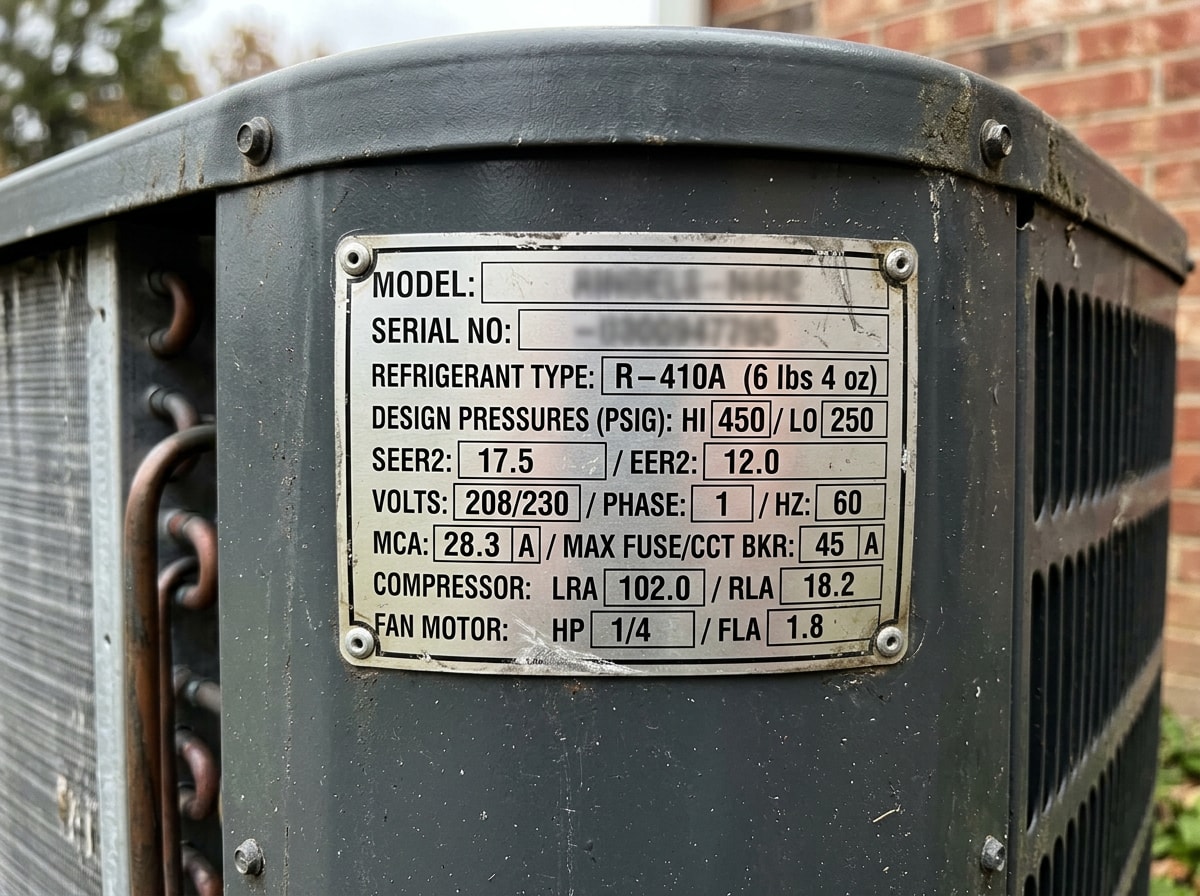
Beyond refrigerant, minimum efficiency is now measured under SEER2, a revised testing method meant to better reflect real-world duct static pressure rather than lab conditions. Corona homeowners will typically see four general equipment categories on a quote: single-stage, two-stage, variable-speed, and heat pump. Each balances upfront cost against efficiency and comfort differently, and our cooling repair or replacement page walks through how we help homeowners decide between them.
Corona HVAC Permits & Contractor Licensing
Most HVAC replacement work in Corona requires both a mechanical permit and a properly licensed contractor pulling it. Skipping either step can create problems later, from failed home inspections to voided manufacturer warranties.
How to Choose an HVAC Contractor in Corona
Before accepting any bid, verify the contractor holds an active license through the state contractors board, carries current insurance, and provides a written, itemized estimate rather than a vague verbal number. Compare quotes from more than one company; pricing and scope can vary more than homeowners expect for what looks like the same job on paper. If you'd like a starting point, you can request a free estimate and use it as a baseline for comparison against other bids.
Corona Mechanical Permit Requirements and Costs
A mechanical permit is generally required for full system replacements and most equipment swaps involving refrigerant line changes. Permit costs in Corona vary by project scope and valuation, and current fee schedules are published on the City of Corona Building Division's fee schedule page. A licensed contractor pulling your permit should be able to tell you the expected fee before work starts, not after.
Flexible Financing & Installation Incentives
A full system replacement is a meaningful expense, and financing options exist to spread that cost over monthly payments instead of a single lump sum. Many lenders and contractors offer promotional terms for qualifying equipment purchases. You can read our full breakdown of HVAC contractor financing in Corona for a side-by-side look at common terms.
Separately, rebates may be available for high-efficiency or heat pump systems, sometimes stacking utility rebates with state programs. Availability and amounts change often, so it's worth checking before finalizing equipment selection. The ENERGY STAR Rebate Finder lets you enter your ZIP code to see what's currently active in Corona.
Corona HVAC Service Areas
HVAC installation and replacement service extends across Corona proper, including South Corona and Eagle Glen, along with nearby Riverside County communities. If you're outside central Corona, it's still worth confirming coverage; see our Corona, CA service area page for details on neighborhoods served.
What to Expect When You Request a Quote
A real HVAC quote is not a number read off over the phone. It should follow an in-home visit where a technician measures your square footage, checks your existing ductwork, counts your supply registers, and asks about rooms that run hot or cold. From there you should get a written estimate that lists the equipment model, SEER2 rating, refrigerant type, warranty terms, and total price, not a single lump figure.
If a contractor quotes your Corona home sight unseen, that's a signal to get a second opinion. Visit our homepage to see our full range of residential and commercial HVAC services, or go straight to scheduling a free estimate.
This guide was put together by the licensed technicians at Priority One Heating & Air, who size and quote HVAC systems in Corona homes every week and see firsthand which jobs run into ductwork or permit surprises after the fact.
FAQ
Can I Get a Free Quote for AC Replacement in Corona?
Yes. A free HVAC quote typically includes an in-home visit, equipment recommendations, and a written estimate with no obligation to proceed. Expect a technician to measure your space, inspect existing ductwork, and discuss system options. You can schedule your free estimate here.
Do I Need Two HVAC Systems for a Two-Story Corona Home?
Not always. A two-story home sometimes benefits from a zoning system rather than two full separate units. Zoning uses dampers and multiple thermostats to balance temperature between floors, which often costs less than installing a second complete system while solving the same comfort problem.
How Long Does HVAC Installation Take for a Corona Home?
A standard installation is a one-day job for straightforward equipment swaps. Projects involving ductwork repairs, electrical upgrades, or zoning additions can stretch to two or three days, so ask your contractor to confirm scope before scheduling.
When Is the Best Time to Replace HVAC in Corona?
Late fall through early spring, before summer heat drives up demand and scheduling backlogs. Replacing off-season often means faster installation dates and more contractor availability for your quote.
How Much Does a New AC Unit Cost in Corona?
A standalone AC replacement generally falls between $5,500 and $9,000, depending on tonnage and efficiency tier. This figure assumes the existing furnace and ductwork stay in place.
What Should a Written HVAC Estimate Include?
A proper estimate lists the exact equipment model and tonnage, SEER2 rating, refrigerant type, labor scope, permit handling, warranty terms, and a total out-the-door price. If a quote is missing any of these, ask for a revised version before signing.